Overview:
The debate around basic human rights has been ever-shifting in its form, but at its core, it remains the same. The refusal to acknowledge women as equal people, a part of society with the right to govern their own bodies, is a plague within the minds of those who believe they are the holders of truth. As Simone de Beauvoir once said, "A man attaches himself to a woman - not to enjoy her, but to enjoy himself." This is reflective of how society actively dictates how women are to be valued and used as objects for their pleasure and reasoning. In her seminal work The Second Sex, Simone De Beauviour lays out, in clear language, the oppressive nature of society toward women and demands change. "All oppression creates a state of war. And this is no
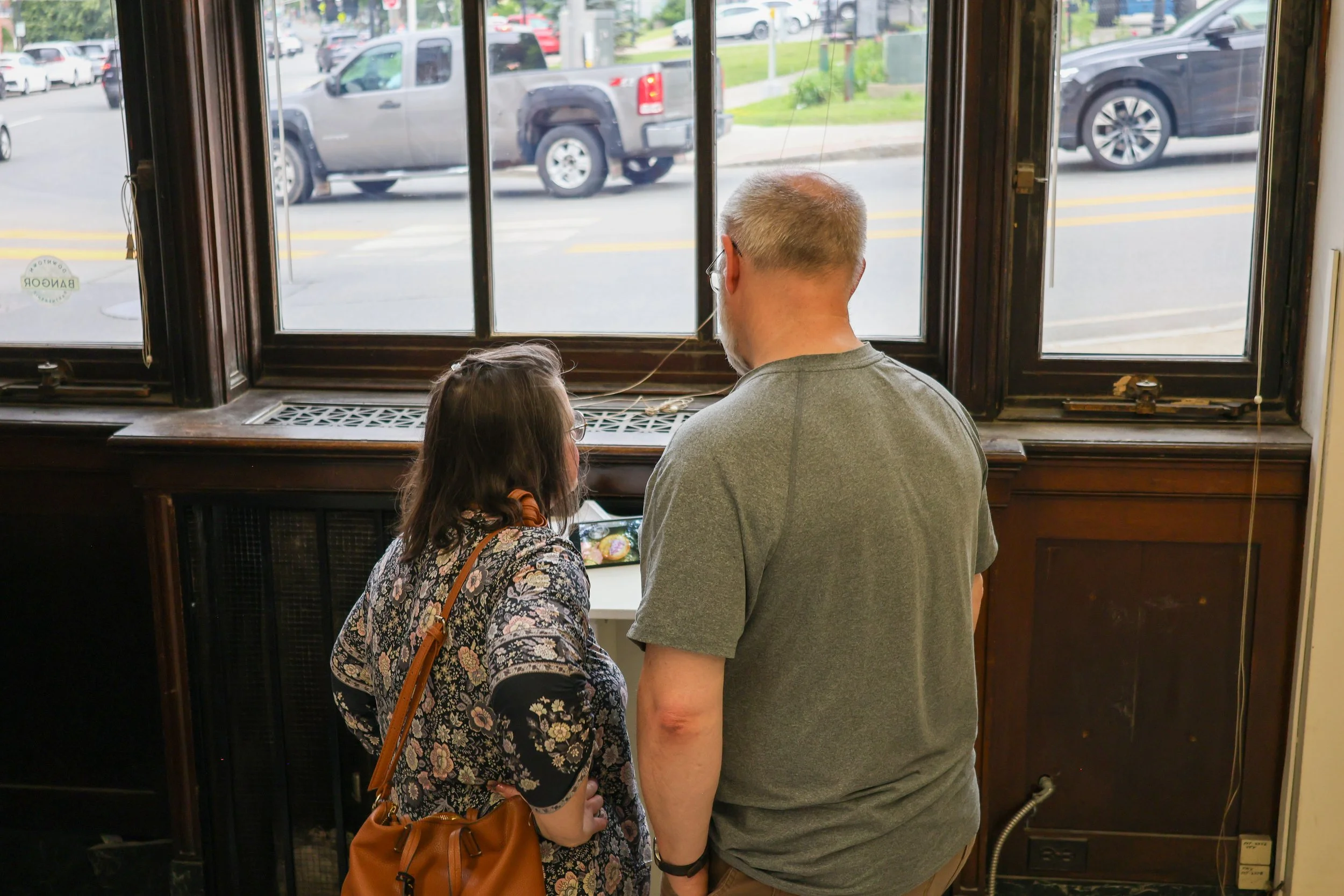
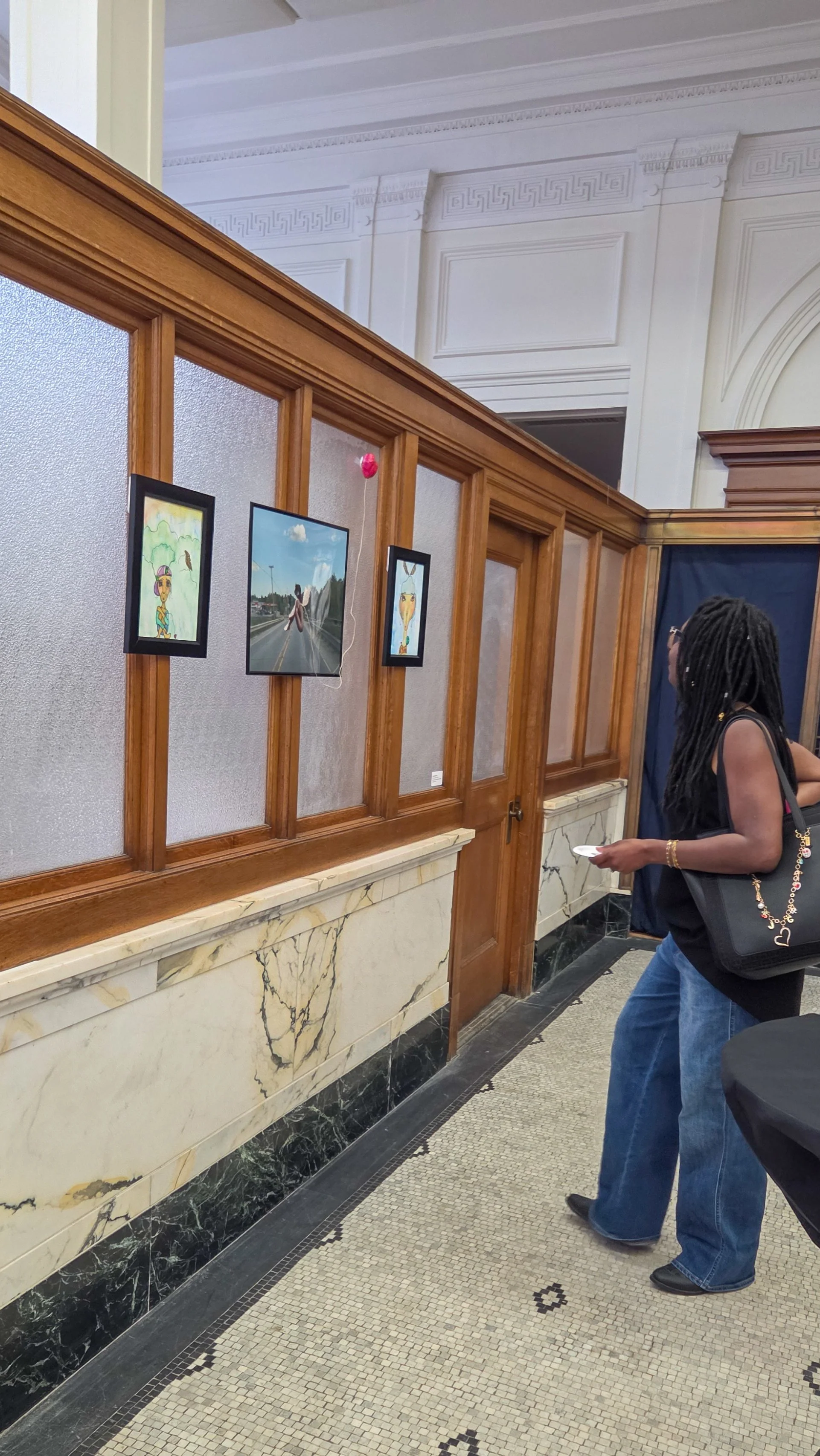
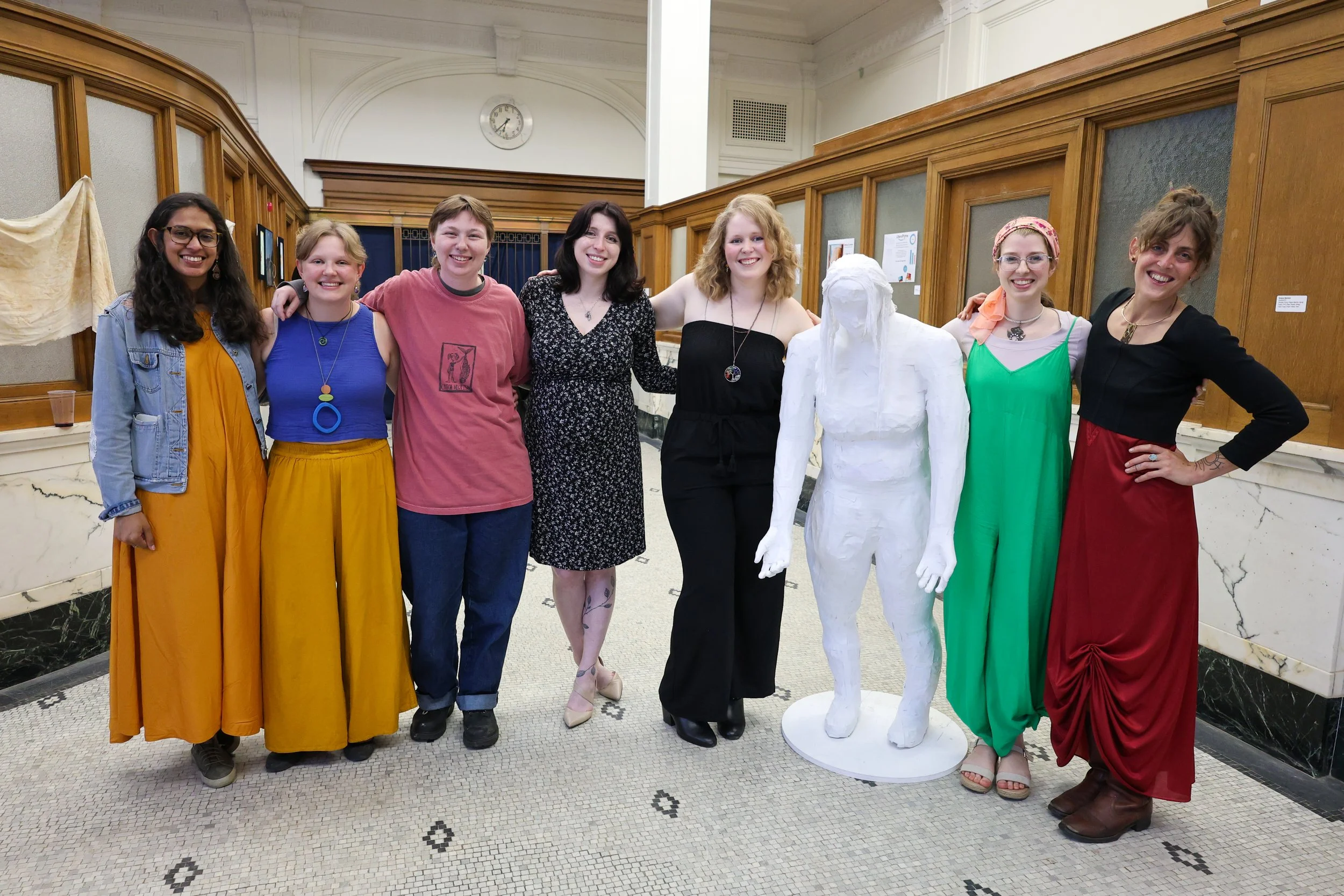
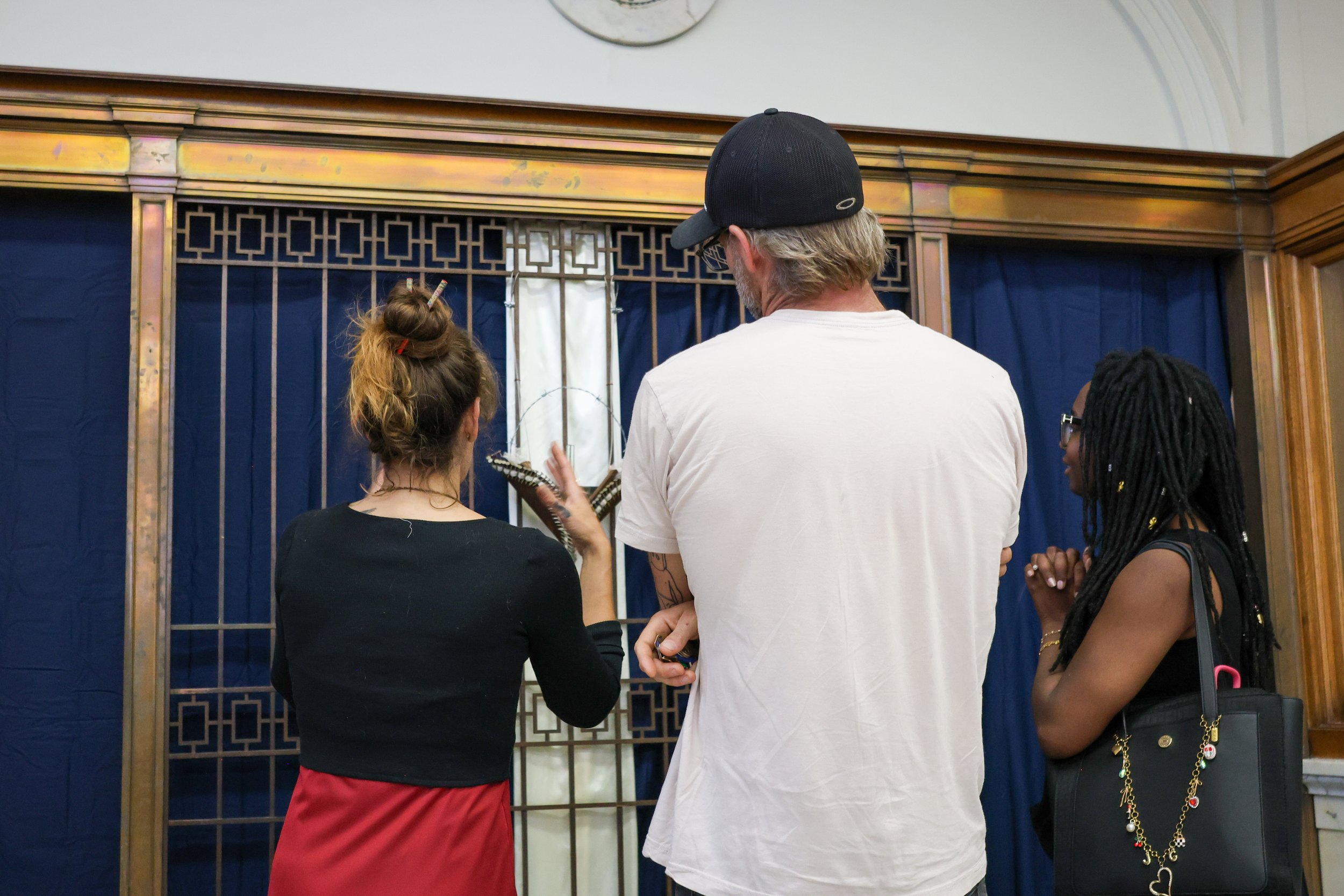
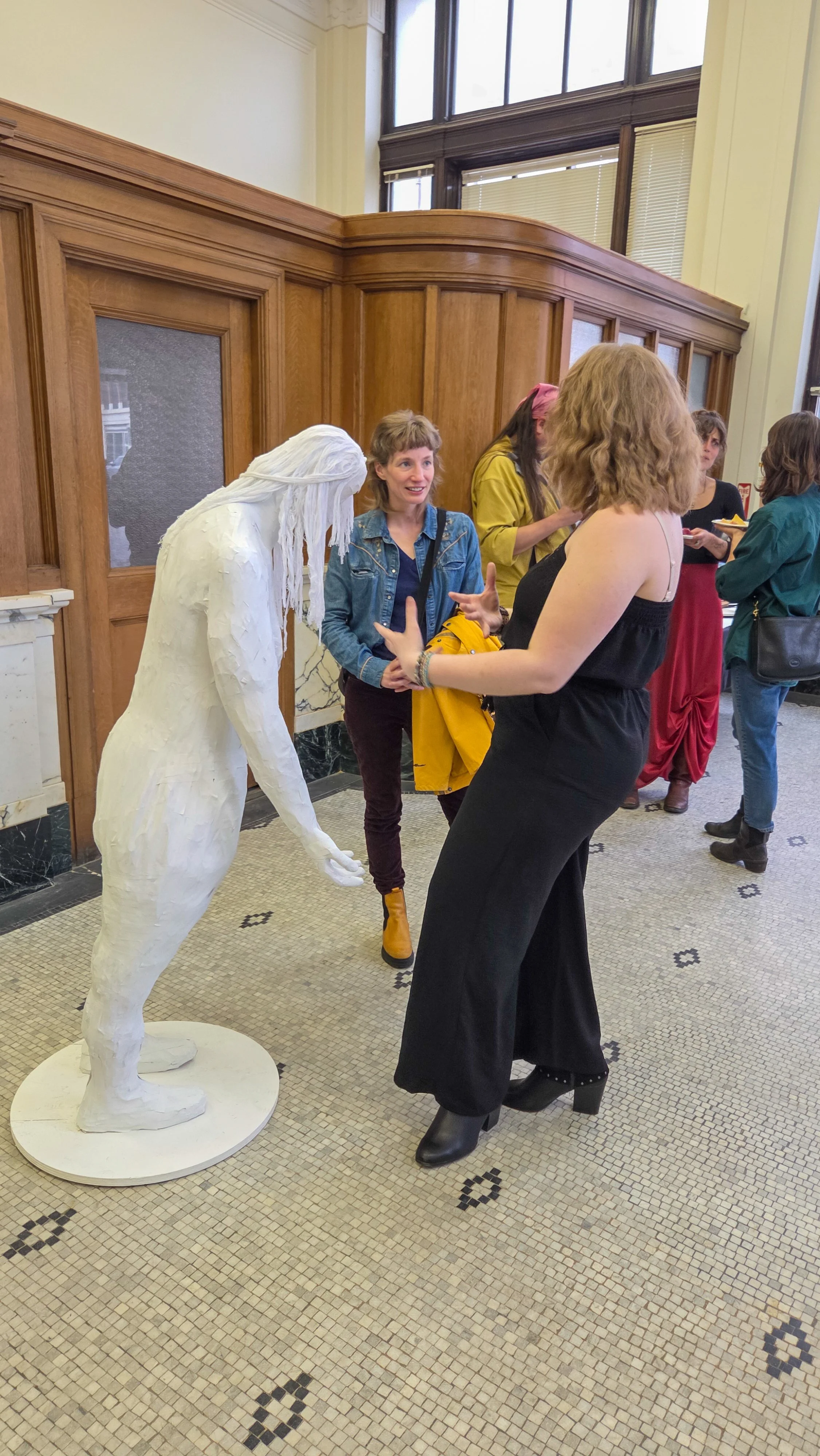
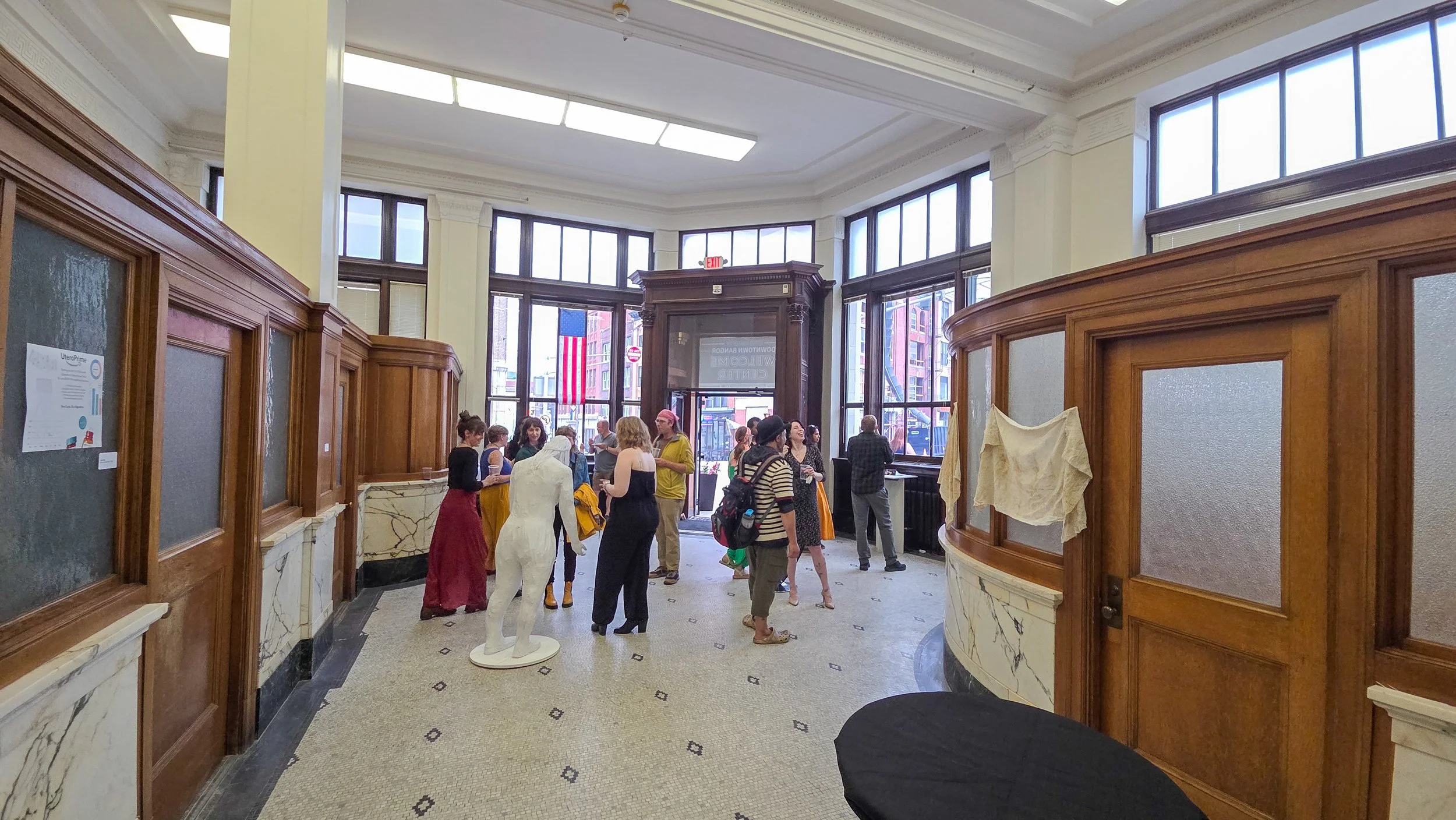
exception." Women have been at war for the entirety of their existence. In 2026, bodily autonomy is still under attack, and equality and respect are foreign concepts to the oppressors. Resistance): Contesting Patriarchal Sovereignty is an active resistance to oppression by placing the importance of feminism in a rural location. The radical act of making our own space is not new. Still, by confronting society's exclusionary motives through art in a place that struggles to change its way of thinking, we are changing the conversation through action and intention. The participating artists are women or women-identifying artists who use their lived experiences and their ability to express, through unique forms, their responses to this oppression and their fight against it. The works will be created with consideration of the thematic and conceptual narratives of feminism and the roles of censorship against women. Through studio visits, conversations, and collective collaboration, the one-day pop-up exhibition will serve as a vivid reminder and lasting memory of why the war against women must end.
Impact:
Curating this show is a collaborative effort between the participating artists and me. The differentiating forms of art-making as a creative educational space for myself, the fellow participating artist, and, through their results, the community. Diverse approaches and works of art broaden the inclusive elements of engaging with an art exhibition. Michel Foucault said, "The function proper to knowledge is not seeing or demonstrating but interpreting." The narrative thread that develops for the viewer through an exhibition is also shaped by a variety of factors, as well as by each viewer's prior experiences and viewing framework for artworks. Introducing such important subject matter in a unique way, from the voices of people directly in the community, all of the participant artists actively live and work in the state of Maine, and because of that, they can have a significant impact. The exhibition environment is a literal, physical space in which the body exists and interacts with the elements and works of the exhibition through relations of matter moving past, around, and near one another. It also functions as a metaphysical space, a place of contemplation, experience, and understanding.